
Many Australian businesses unknowingly lose time and money due to inefficient forklift operations, unexpected breakdowns, and poor equipment selection. These issues often stem from choosing the wrong forklift type, ignoring operational requirements, or working with an unreliable supplier. Whether you're running a warehouse, construction site, or logistics operation, selecting the right forklift hire solution is essential for maintaining productivity and safety.
This comprehensive guide explains everything you need to know about forklift hire in Australia from assessing your needs to choosing the right supplier so you can avoid costly mistakes and improve operational efficiency.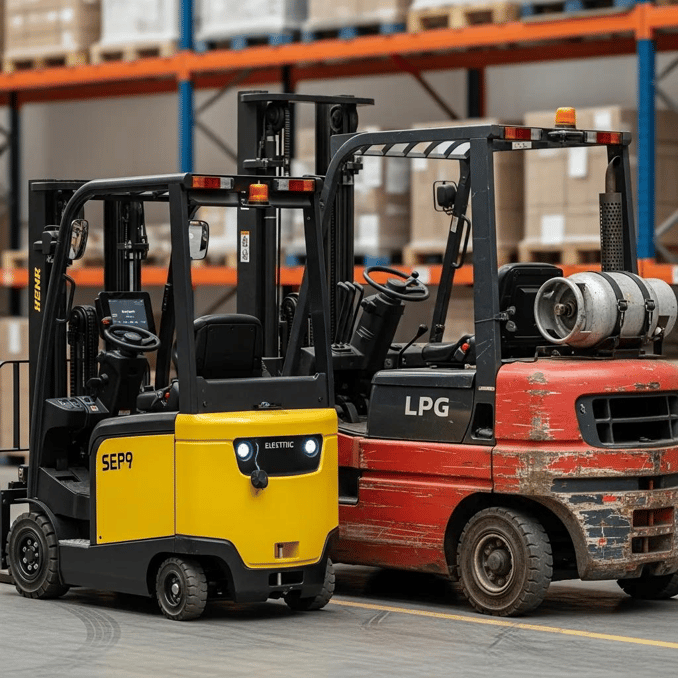
Why Choosing the Right Forklift Hire Matters
Forklifts are a critical part of many industries, but choosing the wrong one can create serious challenges. Businesses often experience frequent equipment failure, increased maintenance costs, and reduced productivity when forklifts are not suited to their operational needs.
For example, using an underpowered forklift for heavy loads can lead to breakdowns and increased reliance on forklift repairs in Sydney. Similarly, selecting equipment without considering attachments or terrain can slow down operations and increase safety risks.
The right forklift hire decision ensures smoother workflows, reduces downtime, and improves long-term cost efficiency.
Step 1: Assess Your Forklift Requirements
Before contacting a forklift supplier in Australia, it is essential to clearly define your operational needs. A proper assessment helps you choose equipment that matches your workload and environment.
Start by identifying the maximum and average load weights your forklift will handle. Consider load dimensions and the load centre, as these factors directly affect the forklift’s capacity. Next, determine the required lift height, especially if your operations involve stacking goods in high racking systems.
The working environment is equally important. Indoor warehouses, outdoor yards, and rough terrain sites all require different forklift specifications. You should also consider how often the forklift will be used, as this affects whether short-term or long-term hire is more suitable.
Additionally, think about whether you need premium forklift attachments such as clamps, side shifters, or rotators. These attachments can significantly improve efficiency and reduce manual handling.
Step 2: Understand Different Forklift Types
Choosing the right forklift type is crucial for ensuring operational efficiency. Different forklifts are designed for specific tasks, and using the wrong type can lead to delays and safety issues.
Counterbalance forklifts are the most commonly used and are ideal for general material handling tasks. Reach trucks are designed for narrow aisles and high stacking, making them perfect for warehouse environments. Telehandlers are widely used in construction for lifting materials to elevated positions, while all-terrain forklifts are built for rough outdoor conditions.
Each type offers unique advantages, so it is important to match the forklift to your specific operational requirements.
Step 3: Choose the Right Fuel Type
Fuel type plays a significant role in determining the performance, cost, and environmental impact of your forklift.
Electric forklifts are ideal for indoor use as they produce zero emissions and operate quietly. They also have lower running costs over time, making them a popular choice for warehouses.
LPG forklifts offer flexibility for both indoor and outdoor use. They provide consistent performance and can be refuelled quickly, making them suitable for operations requiring continuous use.
Diesel forklifts are best suited for heavy-duty outdoor applications. They offer high power and durability but produce more emissions and may require more maintenance.
Selecting the right fuel type ensures optimal performance and cost efficiency for your operations.
Step 4: The Importance of Premium Forklift Attachments
One of the most overlooked aspects of forklift hire is the use of attachments. Premium forklift attachments can significantly enhance productivity, safety, and versatility.
Attachments such as side shifters allow operators to adjust loads without repositioning the forklift, saving time and effort. Fork positioners enable quick adjustments for different load sizes, while clamps are ideal for handling delicate or irregularly shaped items.
Using the right attachments reduces product damage, improves handling efficiency, and minimises operator fatigue. Investing in premium forklift attachments is a smart way to maximise the value of your hire.
Step 5: Hire vs Buying: What’s the Better Option?
Many businesses struggle to decide whether to hire or purchase forklifts. The right choice depends on your operational needs and budget.
Hiring is ideal for short-term projects, seasonal demand, or businesses that want to avoid large upfront costs. It also provides flexibility, allowing you to scale your fleet as needed.
On the other hand, purchasing forklifts may be more cost-effective for long-term use. If buying new equipment is not feasible, exploring used forklifts for sale in Sydney can be a practical alternative.
Ultimately, the decision should be based on usage frequency, budget, and long-term business goals.
Step 6: Understanding Rental Costs and Inclusions
Forklift hire costs can vary depending on several factors, including the type of equipment, duration of hire, and additional services.
Typical costs include rental fees, delivery and pickup charges, fuel or charging expenses, and attachment hire. Some providers also offer optional services such as operator hire and insurance coverage.
Most reputable suppliers include maintenance and basic breakdown support in their rental agreements. However, it is important to request a detailed quote to avoid hidden charges.
Comparing multiple quotes from different suppliers helps ensure you get the best value for your investment.
Step 7: Safety and Compliance Considerations
Safety is a top priority when hiring forklifts in Sydney. Businesses must comply with national and state regulations to ensure safe operations.
Operators are required to hold valid licences and undergo proper training. Employers must also conduct regular equipment inspections and maintain accurate records of operator competency.
Workplace safety measures such as designated pedestrian zones, clear signage, and speed limits are essential for reducing accidents. Many forklift hire providers also offer training and on-site support to help businesses meet compliance requirements.
Ignoring safety regulations can result in serious consequences, including fines and workplace incidents.
Step 8: Choosing the Right Forklift Supplier
Selecting the right forklift supplier in Australia is just as important as choosing the equipment itself. A reliable supplier ensures you receive high-quality equipment and ongoing support.
Look for a supplier that offers a wide range of forklifts and attachments, as this increases the likelihood of finding the right fit for your needs. Fast response times for breakdowns and flexible hire terms are also important factors to consider.
Customer support plays a crucial role in ensuring smooth operations. A good supplier will provide expert advice, transparent pricing, and reliable service.
Step 9: Importance of Maintenance and Repair Support
Even the best forklifts require maintenance and occasional repairs. Access to reliable forklift repairs in Sydney is essential for minimising downtime and keeping operations running smoothly.
Regular maintenance helps prevent unexpected breakdowns and extends the lifespan of equipment. Many hire providers include scheduled servicing as part of their agreements, ensuring forklifts remain in optimal condition.
Choosing a supplier that offers quick and efficient repair services can make a significant difference in maintaining productivity.
Step 10: Evaluating Long-Term Efficiency
The ultimate goal of forklift hire is to improve overall business efficiency. This involves selecting equipment that meets your needs, ensuring proper maintenance, and working with a reliable supplier.
By focusing on efficiency, businesses can reduce operational costs, improve productivity, and enhance workplace safety. Investing time in choosing the right forklift hire solution pays off in the long run.
Conclusion
Forklift hire is more than just renting equipment; it is a strategic decision that impacts your entire operation. By carefully assessing your needs, understanding different forklift types, and choosing the right supplier, you can avoid common problems and achieve better results.
Whether you require forklift hire in Arndell Park, are considering used forklifts for sale in Sydney, or need premium forklift attachments to enhance performance, making informed decisions is key to success.
Partnering with an experienced provider ensures you receive the right equipment, expert guidance, and reliable support throughout your hire period. For businesses seeking dependable solutions, Active Forklift Australia (A KION Company) stands out as a trusted name, offering a diverse fleet, expert advice, and comprehensive forklift services tailored to meet the evolving needs of Australian industries.